BISNOW DICE events highlight grid access and execution risk in data center delivery
Summary
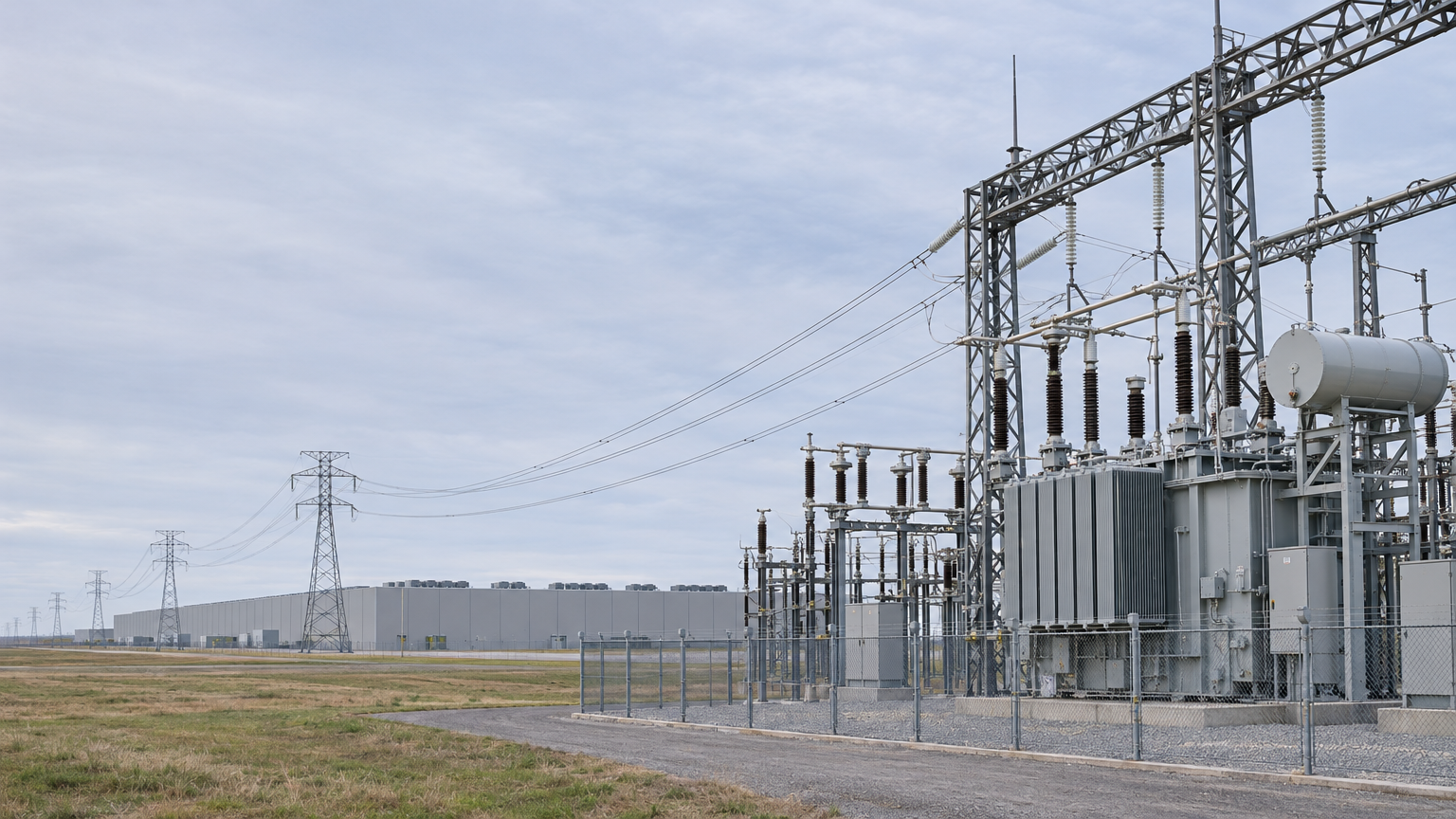
Discussions at BISNOW DICE events found that whether a data center project can get power is now weighed alongside, not after, the demand for its capacity. A recap by Data Center POST says grid limits and slow interconnection are deciding which developments move forward.
The recap also says capital providers are looking harder at whether developers can deliver. Lenders and investors are giving more weight to how far along a site is, whether tenants have signed, and how credible the construction schedule looks before they commit funding. On the build side, participants pointed to modular construction and flexible designs as ways to shorten deployment. Developers still have to weigh speed against AI hardware requirements that keep shifting.
Resilience was a third theme. The recap says it has to be designed in from the start, with integrated monitoring, fuel management and dependable power systems treated as core to long-term performance. Its overarching point is that a gap separates ambitious development pipelines from capacity that is actually operating. The available text does not name speakers, venues, specific projects or any figures.
Why it matters
Grid connection is now a gating factor for which projects reach construction, so sites with secured power and interconnection may hold a pricing and scheduling advantage over larger pipelines that lack them. Financing increasingly follows proof of delivery: land control, signed tenants and believable timelines. That raises the cost of capital for speculative builds. Modular approaches offer speed, but they must keep pace with changing AI rack requirements, which affects equipment procurement and design choices from day one.
Expert Lens
When interconnection queues set the pace, an announced megawatt pipeline is a weaker guide to near-term supply than energized capacity with a firm ready-for-service date. Lenders who tie funding to signed leases and site readiness will likely push developers toward phased builds sized to contracted demand, which may slow speculative campuses even where land is available. Modular designs that lock in a power density early could age quickly if AI rack loads keep climbing, so flexibility in cooling and electrical distribution is likely to matter as much as raw build speed. Backup fuel logistics also look more exposed when sites lean on onsite generation while they wait for grid service. A useful signal to watch is whether new construction loans and lease announcements start citing confirmed interconnection dates as a condition of closing.
Sources
This brief was drafted with AI assistance from public sources; every number is attributed to the sources above. See the AI-assisted Disclosure and Methodology.