Latest analysis

Category

Power & Grid

Recent analysis, briefs, and signals in this coverage lane.

Latest Analysis

Power & Grid

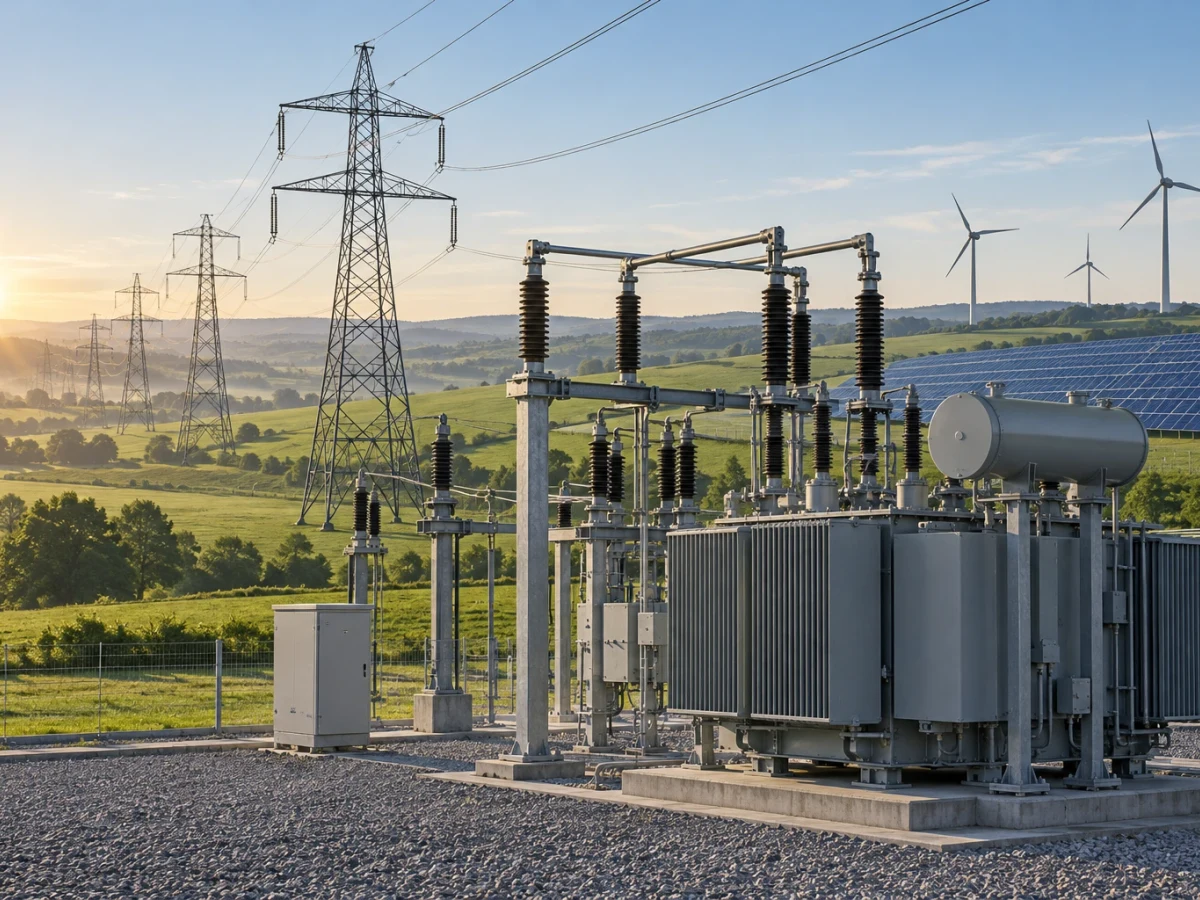
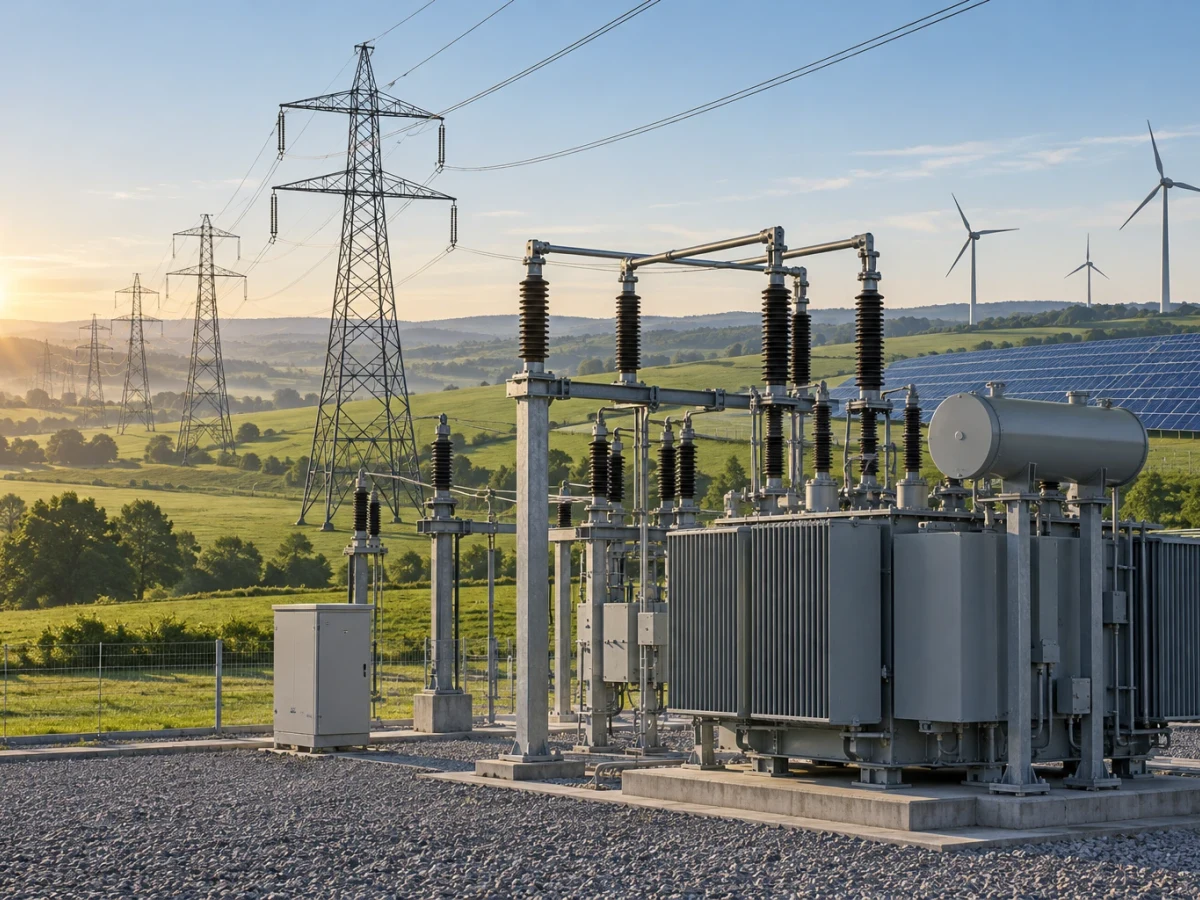
Data-center load is turning spare generation into a timing problem editorial visual

Data-center load is turning spare generation into a timing problem

EIA's high-demand case shows why near-term data-center growth is first a dispatch, fuel, and regional price problem, even before new plants can be built.

Capacity plans in ERCOT and PJM now depend on when large loads arrive, which generators can run harder, and whether grid supply can respond during the same hours.

OperatorsCapacity plannersInvestors
Read analysisRead source
Virginia's commercial power growth is becoming a peak-load test editorial visual

Virginia's commercial power growth is becoming a peak-load test

Commercial electricity sales show the scale of Virginia's data-center growth, but PJM's Dominion peak forecast is the sharper test for reserves, infrastructure, and hourly reliability.

Developers and grid utilities must reconcile annual energy growth with the hours that set generation, transmission, demand-response, and storage requirements.

OperatorsCapacity plannersInvestors
Read analysisRead source
Nuclear power contracts do not erase data-center delivery risk editorial visual

Nuclear power contracts do not erase data-center delivery risk

Dedicated nuclear agreements match the steady load of large data centers, but a contract for generation is still separate from interconnection, restart, transmission, and campus commissioning.

The value of a nuclear deal depends on the sequence that converts a long-term power commitment into electricity delivered at the site when computing capacity is ready.

OperatorsCapacity plannersInvestors
Read analysisRead source
Texas needs to distinguish approved large loads from live demand editorial visual

Texas needs to distinguish approved large loads from live demand

ERCOT's large-flexible-load process separates applications, approved capacity, actual utilization, and curtailment, giving data-center planners a better model than the headline queue.

Generation and price forecasts depend on how much large-load capacity is operating, how steadily it consumes electricity, and whether it reduces demand during tight hours.

OperatorsCapacity plannersInvestors
Read analysisRead source
Commercial power growth is concentrating around computing hubs editorial visual

Commercial power growth is concentrating around computing hubs

EIA data show that Virginia, Texas, and other states with rapid computing-facility development account for a disproportionate share of commercial electricity growth.

Regional grid and site selection decisions should follow where new commercial load is concentrating, not a national average that masks local pressure.

OperatorsCapacity plannersInvestors
Source
Record generation is confirming the return of electricity load growth editorial visual

Record generation is confirming the return of electricity load growth

U.S. generation set another annual record as commercial demand, including data centers, helped end the long period of nearly flat electricity use.

Capacity planning must now account for sustained load growth instead of assuming that efficiency will keep national electricity demand level.

OperatorsCapacity plannersInvestors
Source
Data-center demand is pulling gas generation back into the capacity plan editorial visual

Data-center demand is pulling gas generation back into the capacity plan

EIA expects rising commercial load in Texas and Virginia to increase the call on natural gas generation as data centers add operating and cooling demand.

Gas supply, plant utilization, and regional summer conditions remain part of the near-term power case for new computing capacity.

OperatorsCapacity plannersInvestors
Source
Solar additions are arriving alongside a new electricity demand cycle editorial visual

Solar additions are arriving alongside a new electricity demand cycle

EIA's forecast pairs renewed electricity consumption growth from data centers and manufacturing with a large wave of new solar generation.

The planning question is whether variable new supply, firm generation, storage, and grid delivery can match the hours when large computing loads run.

OperatorsCapacity plannersInvestors
Source
ERCOT and PJM are becoming the load-growth stress tests editorial visual

ERCOT and PJM are becoming the load-growth stress tests

EIA expects the strongest regional electricity growth in Texas and the mid-Atlantic, where proposed data centers are concentrated and timing remains uncertain.

Interconnection, generation, and transmission decisions in these two markets will shape which announced campuses reach usable capacity first.

OperatorsCapacity plannersInvestors
Source
Solar and gas additions are reshaping the data-center power mix editorial visual

Solar and gas additions are reshaping the data-center power mix

EIA expects solar generation and battery capacity to expand while data-center demand raises natural gas generation in ERCOT and PJM.

Capacity teams need an hourly supply mix that connects renewable additions, dispatchable generation, storage, and the regional timing of large computing loads.

OperatorsCapacity plannersInvestors
Source
Peak-demand records raise the bar for data-center grid planning editorial visual

Peak-demand records raise the bar for data-center grid planning

New Lower 48 peak-demand records combine hot-weather cooling load with an underlying increase in electricity use around large data-center markets.

A campus power plan must hold during the same extreme hours that test regional generation, transmission, and reserve margins.

OperatorsCapacity plannersInvestors
Source