
Update schedule: every 8 hours · Source-linked feed current through Aug 12, 2026 · Long-form publishing last authorized Aug 12, 2026 · Pipeline last successful update Aug 19, 2026Wednesday, August 12, 2026RSS
ComputeCurrent
Wire

AI Infrastructure Intelligence

ComputeCurrent

Source-linked analysis on the bottlenecks shaping AI capacity, power, and capital flows.

A public publication for readers who need the source trail behind data center buildouts, grid constraints, silicon supply, cooling shifts, cloud capacity, policy, and capital movement.

Power and grid timingData center capacityHyperscaler demandCooling and rack densityCapital and policy risk

Coverage pulse

The desk in numbers

Latest publish · Aug 12, 2026
0Analyses this weekpublished in the last 7 days
15Stories on filelive and archived coverage
1Sources followedoutlets, filings, and primary posts
1Regions coveredmarkets in the current record
Coverage mix
Power & Grid67%Cooling20%Capital & Deals7%Data Centers7%

The Current

ColumnPower & Grid

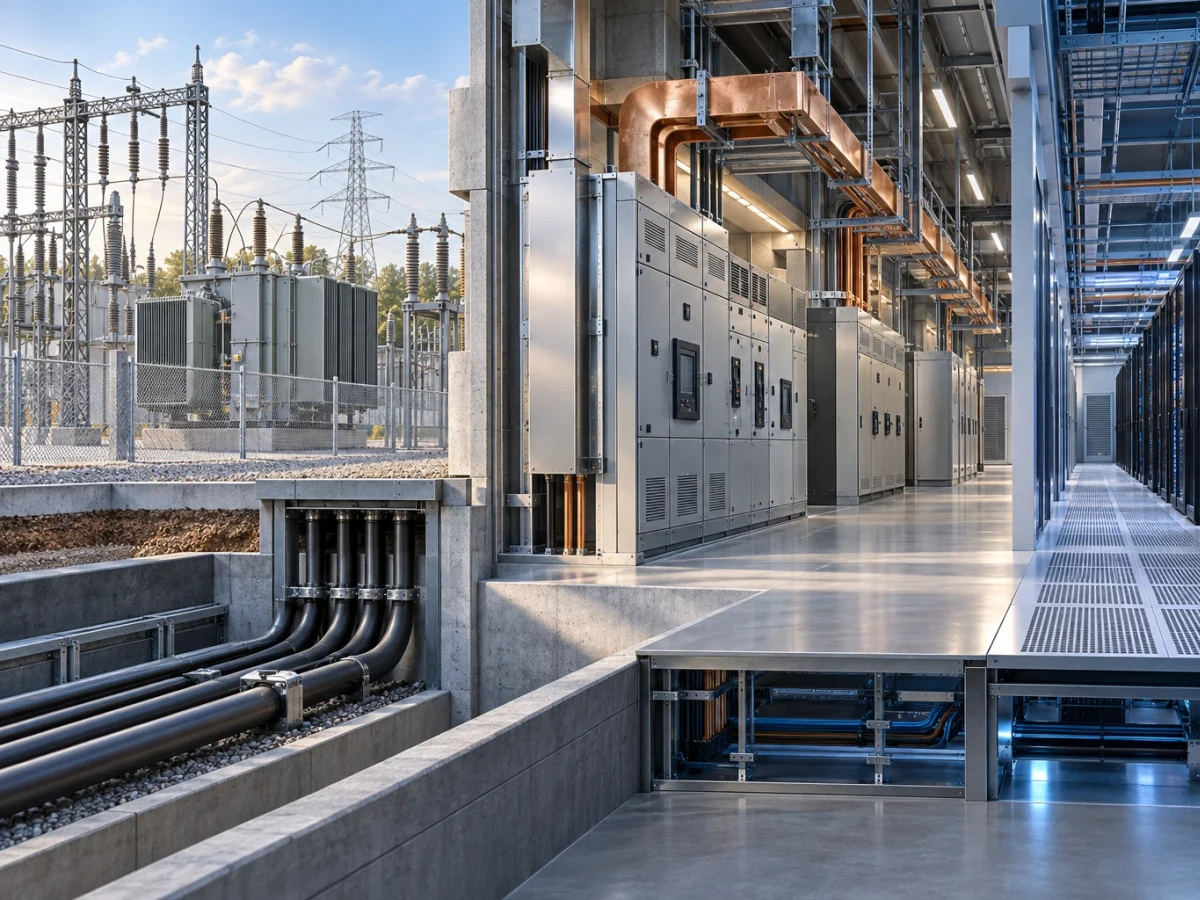
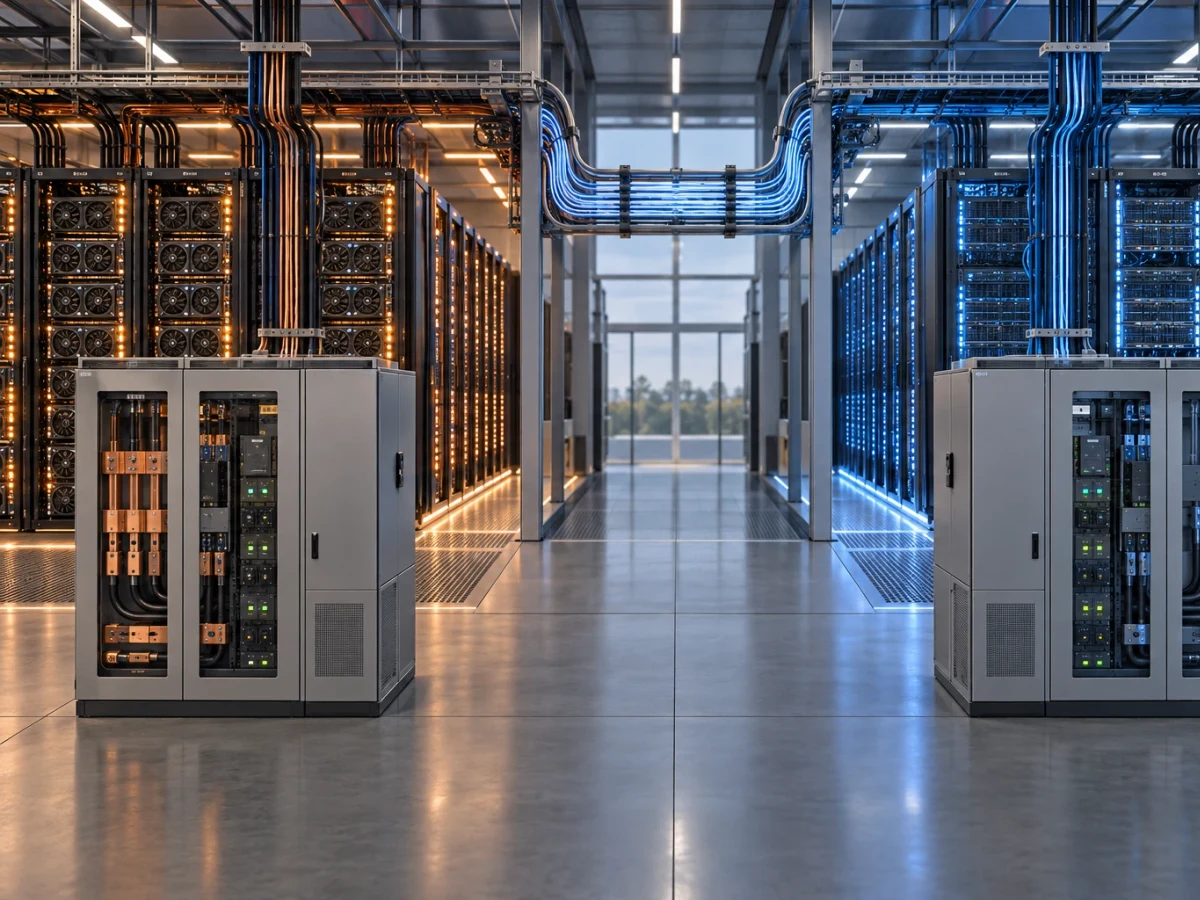
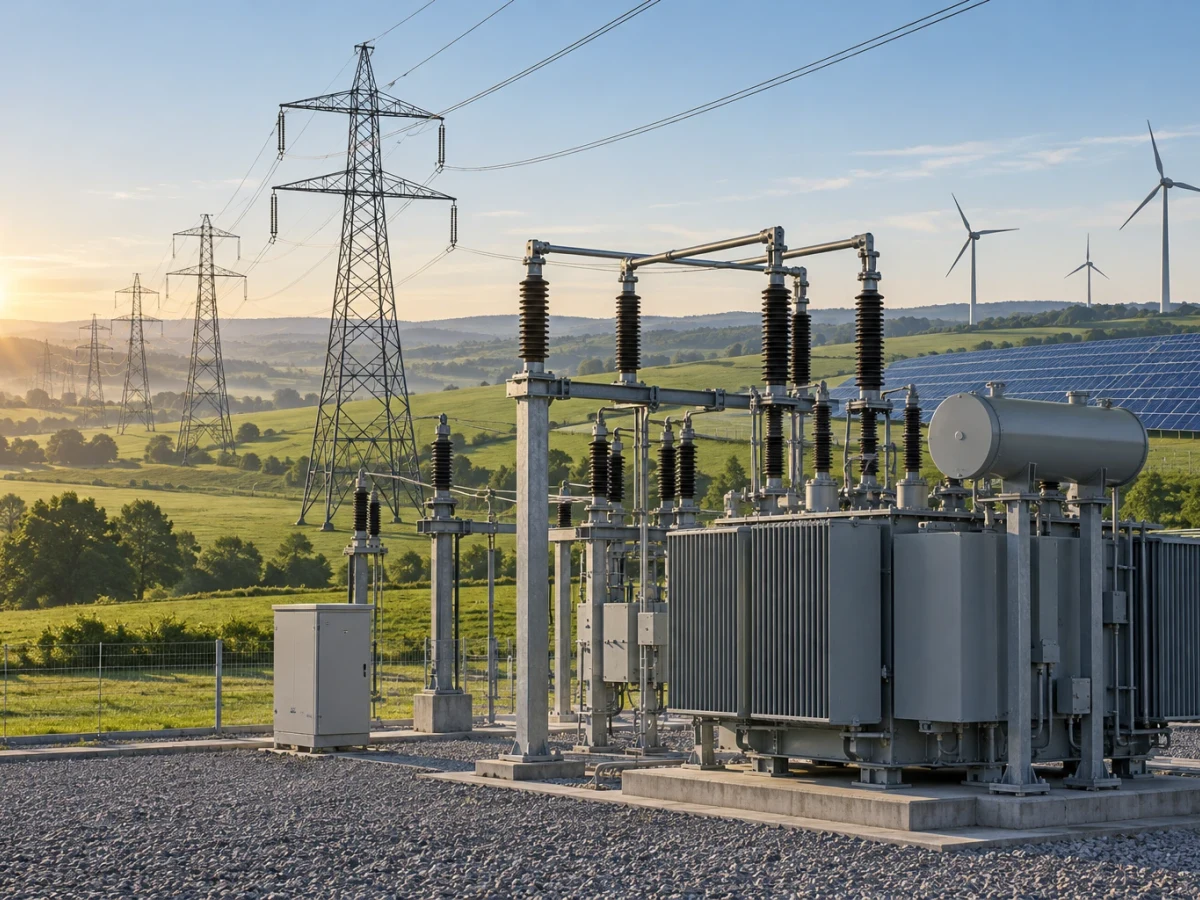
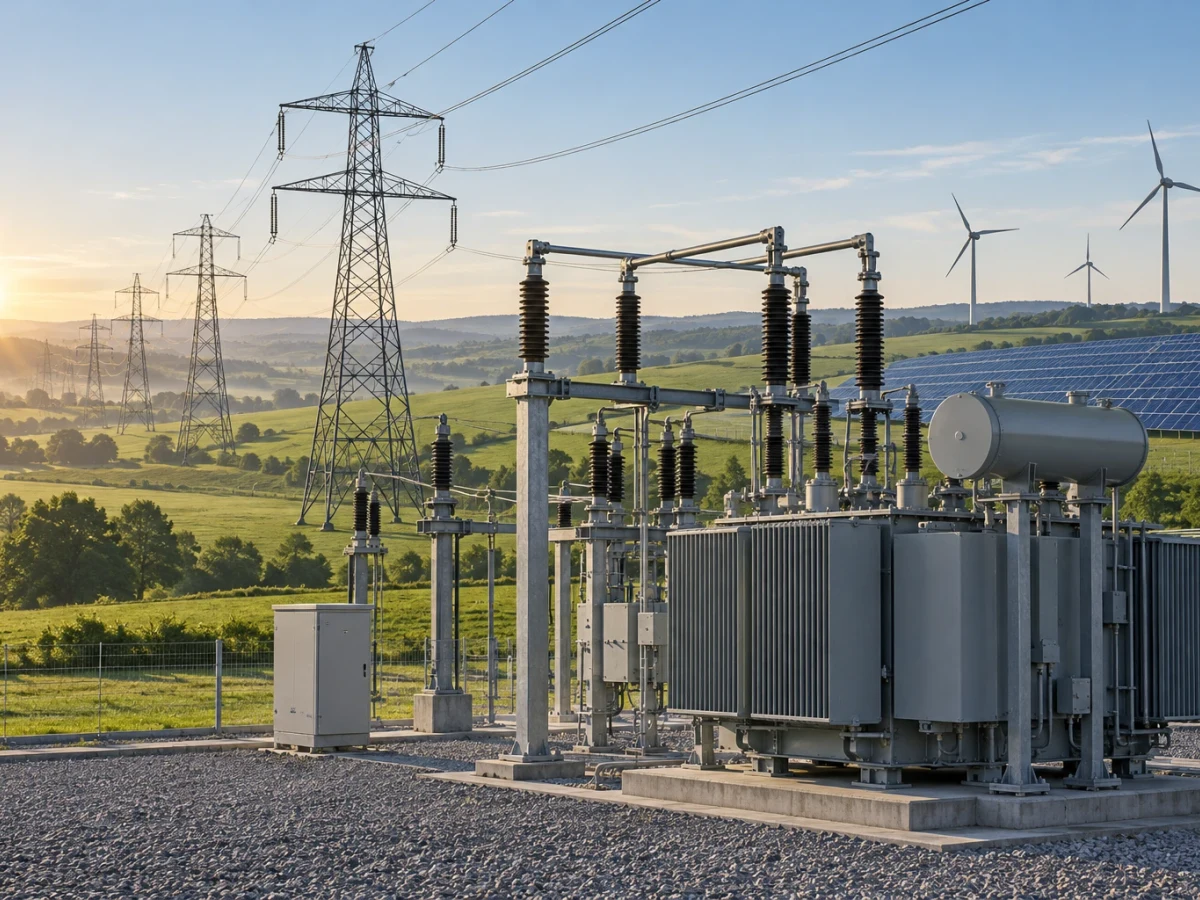
NVIDIA's 800 VDC hybrid rack is a substation-queue workaround, not a power solution

The hybrid architecture arriving in H2 2026 lets buyers claim next-gen density without greenfield builds, but only if existing substations can handle the load — and that still requires utility approval.
NVIDIA's 800 VDC hybrid rack is a substation-queue workaround, not a power solution column illustration

Featured Signal

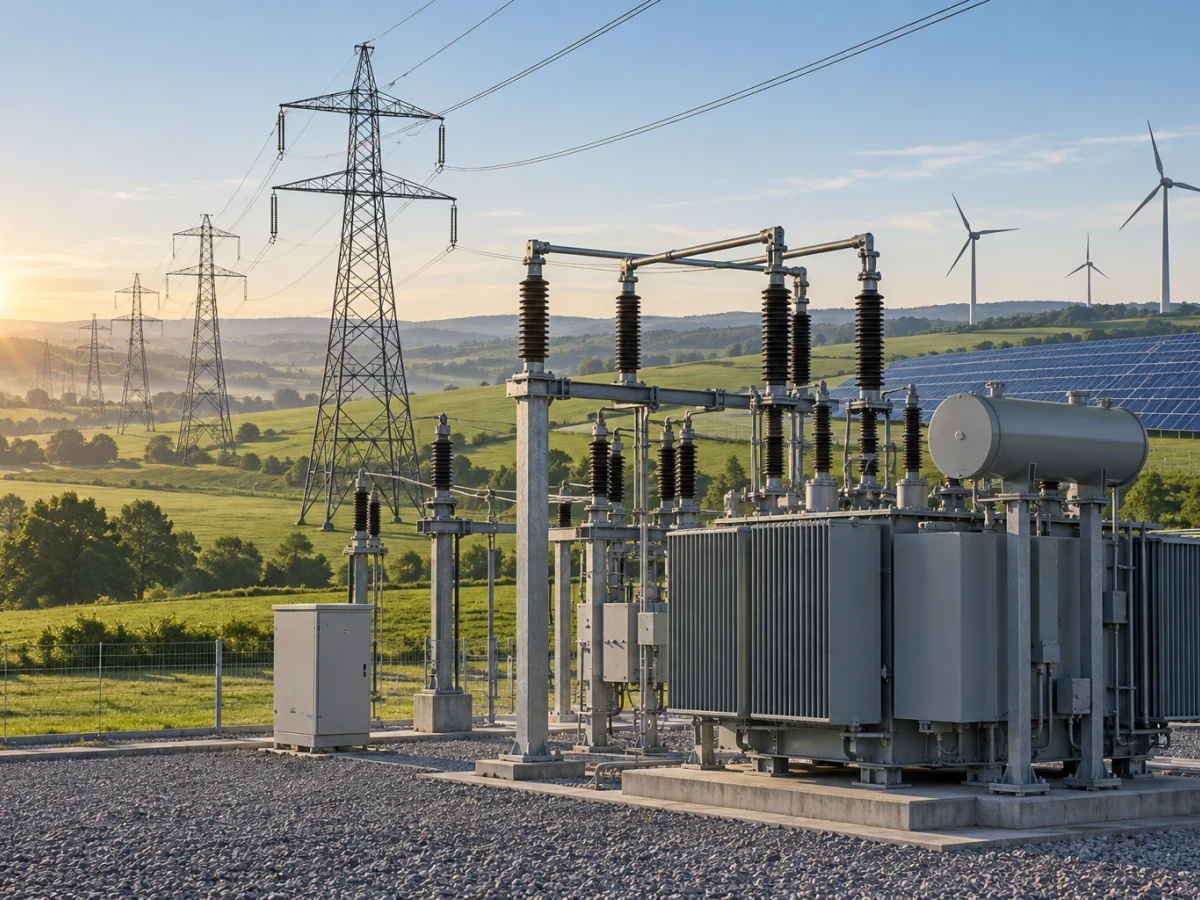
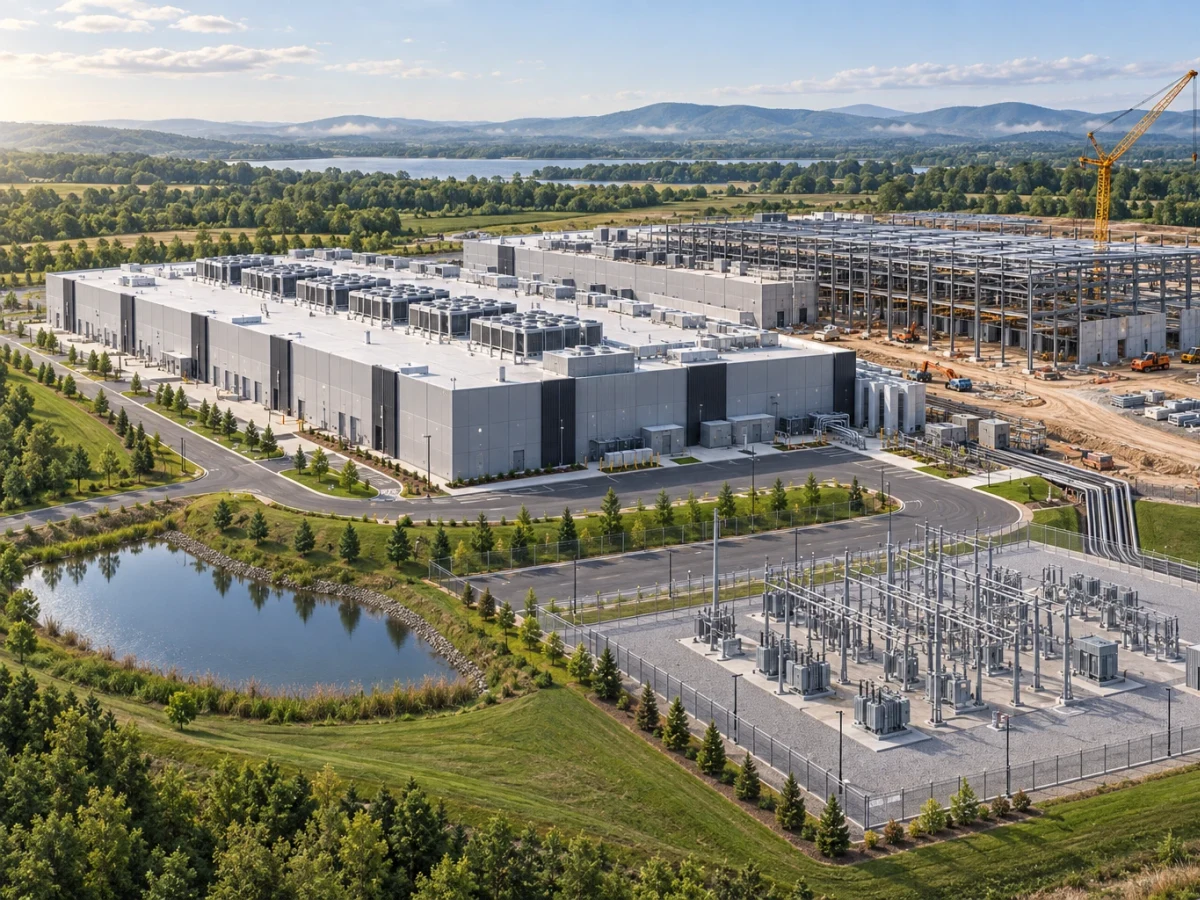
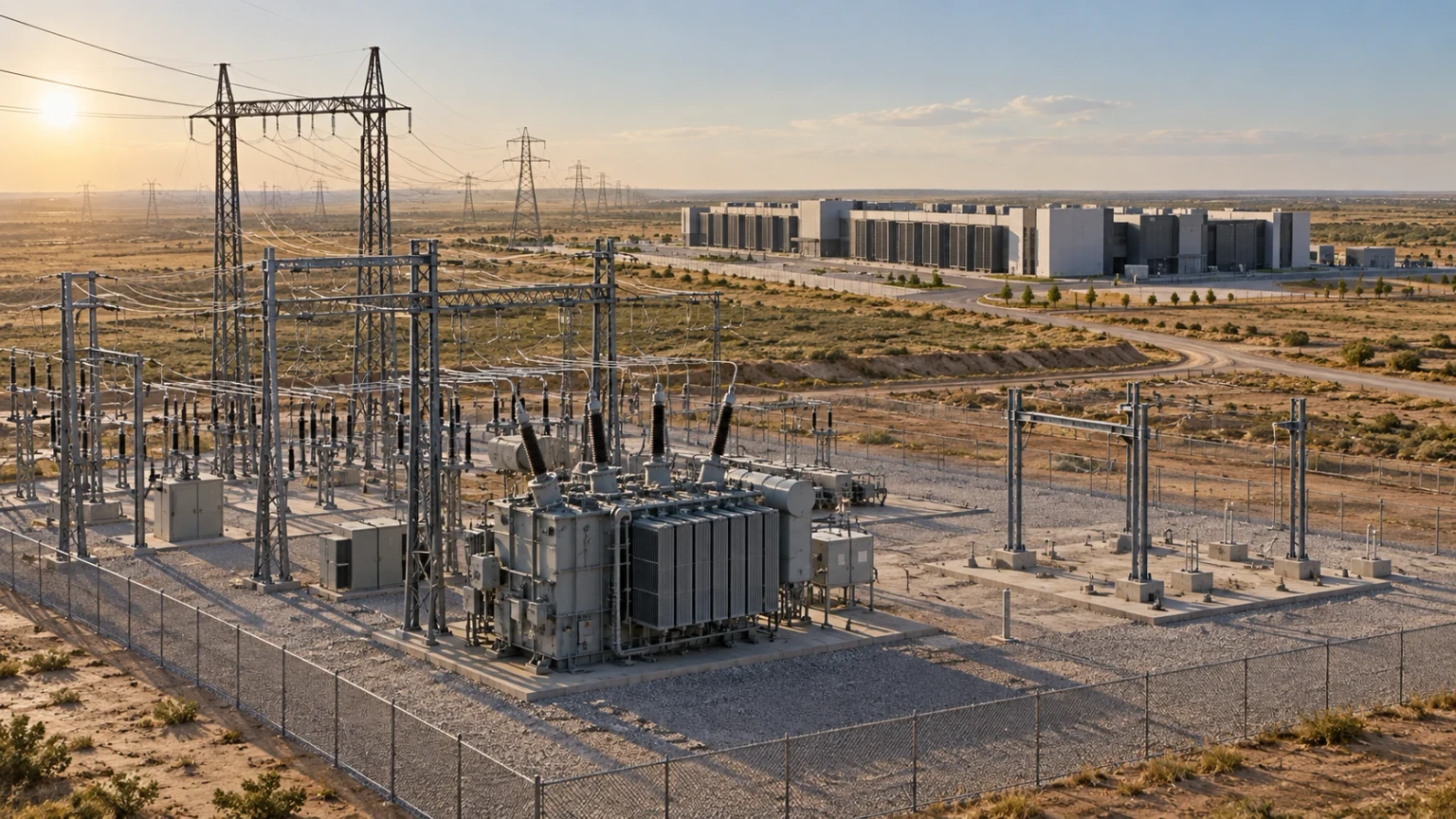
Data-center load is turning spare generation into a timing problem

OperatorsCapacity plannersInvestors
Data-center load is turning spare generation into a timing problem editorial visual

Recent intelligence

Latest Analysis

Source-linked analysis and briefs from the AI infrastructure buildout.

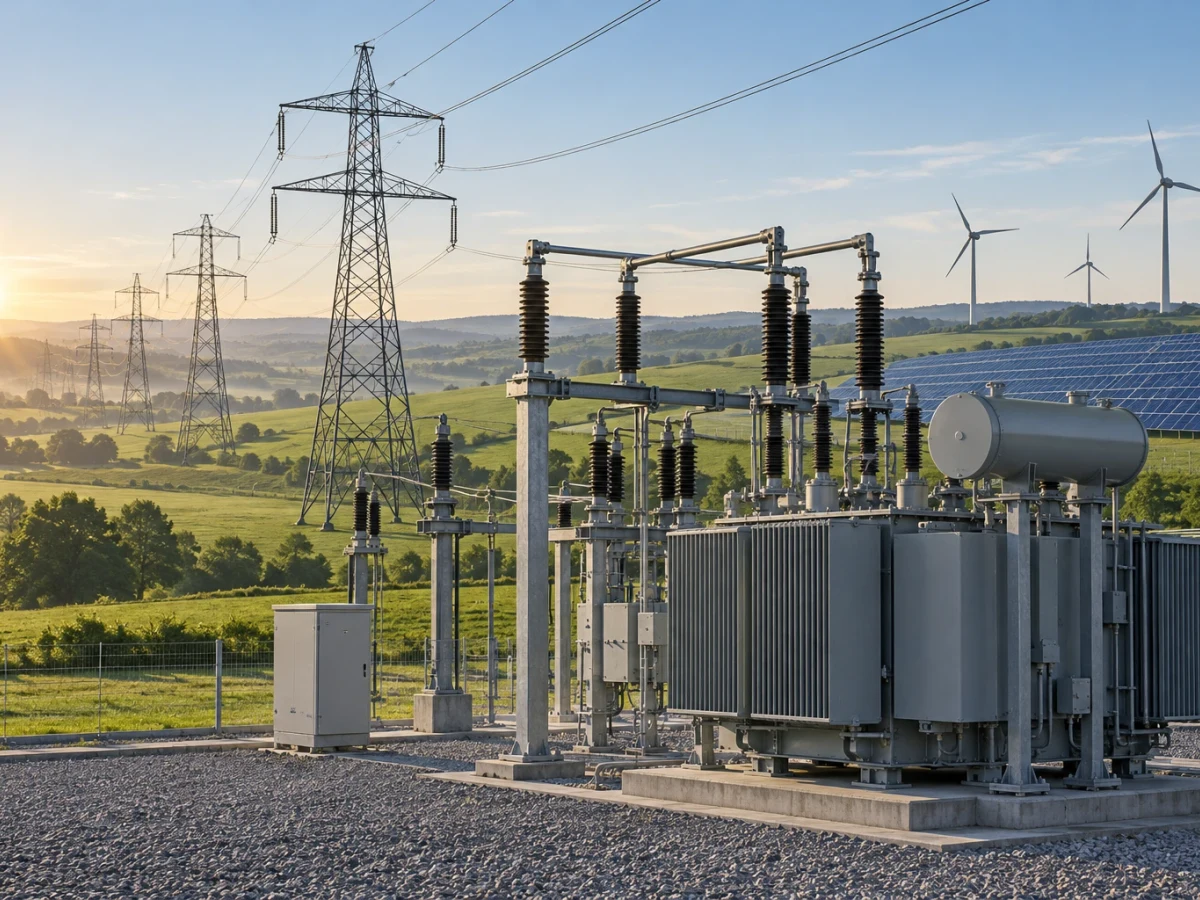
Virginia's commercial power growth is becoming a peak-load test editorial visual

Virginia's commercial power growth is becoming a peak-load test

Commercial electricity sales show the scale of Virginia's data-center growth, but PJM's Dominion peak forecast is the sharper test for reserves, infrastructure, and hourly reliability.

Developers and grid utilities must reconcile annual energy growth with the hours that set generation, transmission, demand-response, and storage requirements.
OperatorsCapacity plannersInvestors
Read analysisRead source
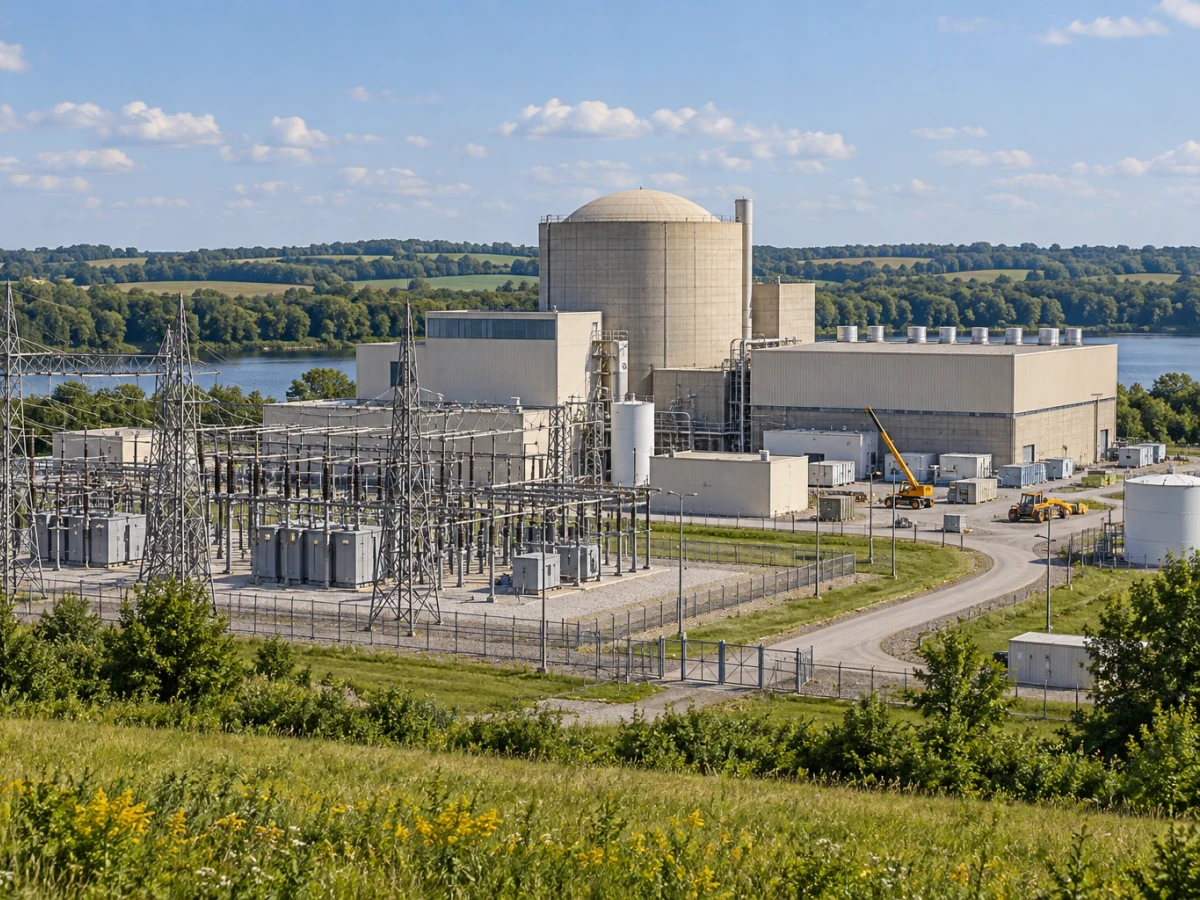
Nuclear power contracts do not erase data-center delivery risk editorial visual

Nuclear power contracts do not erase data-center delivery risk

Dedicated nuclear agreements match the steady load of large data centers, but a contract for generation is still separate from interconnection, restart, transmission, and campus commissioning.

The value of a nuclear deal depends on the sequence that converts a long-term power commitment into electricity delivered at the site when computing capacity is ready.

OperatorsCapacity plannersInvestors
Read analysisRead source
Texas needs to distinguish approved large loads from live demand editorial visual

Texas needs to distinguish approved large loads from live demand

ERCOT's large-flexible-load process separates applications, approved capacity, actual utilization, and curtailment, giving data-center planners a better model than the headline queue.

Generation and price forecasts depend on how much large-load capacity is operating, how steadily it consumes electricity, and whether it reduces demand during tight hours.

OperatorsCapacity plannersInvestors
Read analysisRead source
Commercial power growth is concentrating around computing hubs editorial visual

Commercial power growth is concentrating around computing hubs

EIA data show that Virginia, Texas, and other states with rapid computing-facility development account for a disproportionate share of commercial electricity growth.

Regional grid and site selection decisions should follow where new commercial load is concentrating, not a national average that masks local pressure.

OperatorsCapacity plannersInvestors
Source
Computing could become the largest commercial electricity end use editorial visual

Computing could become the largest commercial electricity end use

EIA projects commercial computing electricity use to outgrow efficiency gains and add cooling and ventilation demand across data-center floorspace.

Utilities and facility designers need to model computing and its supporting building systems as a growing base load rather than a small office end use.

OperatorsCapacity plannersInvestors
Source
Record generation is confirming the return of electricity load growth editorial visual

Record generation is confirming the return of electricity load growth

U.S. generation set another annual record as commercial demand, including data centers, helped end the long period of nearly flat electricity use.

Capacity planning must now account for sustained load growth instead of assuming that efficiency will keep national electricity demand level.

OperatorsCapacity plannersInvestors
Source
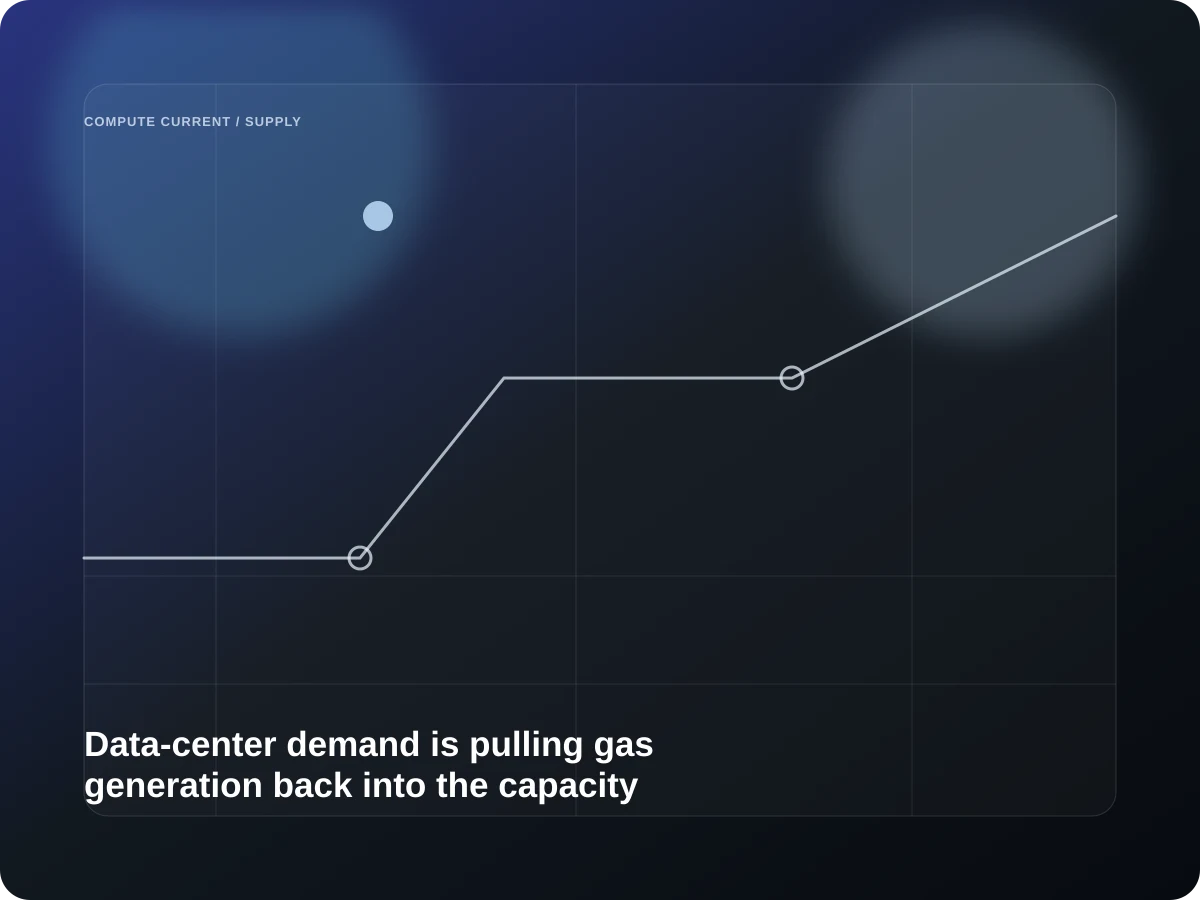
Data-center demand is pulling gas generation back into the capacity plan editorial visual

Data-center demand is pulling gas generation back into the capacity plan

EIA expects rising commercial load in Texas and Virginia to increase the call on natural gas generation as data centers add operating and cooling demand.

Gas supply, plant utilization, and regional summer conditions remain part of the near-term power case for new computing capacity.

OperatorsCapacity plannersInvestors
Source
Solar additions are arriving alongside a new electricity demand cycle editorial visual

Solar additions are arriving alongside a new electricity demand cycle

EIA's forecast pairs renewed electricity consumption growth from data centers and manufacturing with a large wave of new solar generation.

The planning question is whether variable new supply, firm generation, storage, and grid delivery can match the hours when large computing loads run.

OperatorsCapacity plannersInvestors
Source
ERCOT and PJM are becoming the load-growth stress tests editorial visual

ERCOT and PJM are becoming the load-growth stress tests

EIA expects the strongest regional electricity growth in Texas and the mid-Atlantic, where proposed data centers are concentrated and timing remains uncertain.

Interconnection, generation, and transmission decisions in these two markets will shape which announced campuses reach usable capacity first.

OperatorsCapacity plannersInvestors
Source
Solar and gas additions are reshaping the data-center power mix editorial visual

Solar and gas additions are reshaping the data-center power mix

EIA expects solar generation and battery capacity to expand while data-center demand raises natural gas generation in ERCOT and PJM.

Capacity teams need an hourly supply mix that connects renewable additions, dispatchable generation, storage, and the regional timing of large computing loads.

OperatorsCapacity plannersInvestors
Source
Peak-demand records raise the bar for data-center grid planning editorial visual

Peak-demand records raise the bar for data-center grid planning

New Lower 48 peak-demand records combine hot-weather cooling load with an underlying increase in electricity use around large data-center markets.

A campus power plan must hold during the same extreme hours that test regional generation, transmission, and reserve margins.

OperatorsCapacity plannersInvestors
Source
EIA's data-center survey could narrow the industry's measurement gap editorial visual

EIA's data-center survey could narrow the industry's measurement gap

A new EIA pilot will collect data on energy sources, electricity use, site characteristics, server metrics, and cooling systems across major U.S. data-center regions.

Better measured load and cooling data can reduce the gap between announced capacity, utility forecasts, and actual operating demand.

OperatorsCapacity plannersInvestors
Source
On-premise data centers remain a hidden cooling load editorial visual

On-premise data centers remain a hidden cooling load

EIA building data show that offices with data centers use more electricity for computing and cooling than comparable offices without server facilities.

Distributed server rooms can add meaningful facilities load outside the large standalone campuses that dominate utility forecasts and market headlines.

OperatorsCapacity plannersInvestors
Source
Power WatchGrid access, energization timing, generation tie-ups, and site constraints.Capacity WatchData center demand, cloud commitments, rack density, and lease movement.Silicon WatchAccelerators, memory, packaging, and the supply picture behind compute.Cooling WatchLiquid cooling shifts, water strategy, and thermal limits at density.Capital WatchFinancing rounds, project debt, M&A, and infrastructure market moves.Source TrailOriginal links, visual source notes, archive search, and public methodology.

Stay with the story

The buildout does not wait. Neither does the desk.

Update schedule: every 8 hours · Source-linked feed current through Aug 12, 2026 · Long-form publishing last authorized Aug 12, 2026 · Pipeline last successful update Aug 19, 2026. Follow along wherever you read.

Publication archive

Browse the archive

AI infrastructure coverage by source, date, category, provenance, and operating context.

Browse the archive