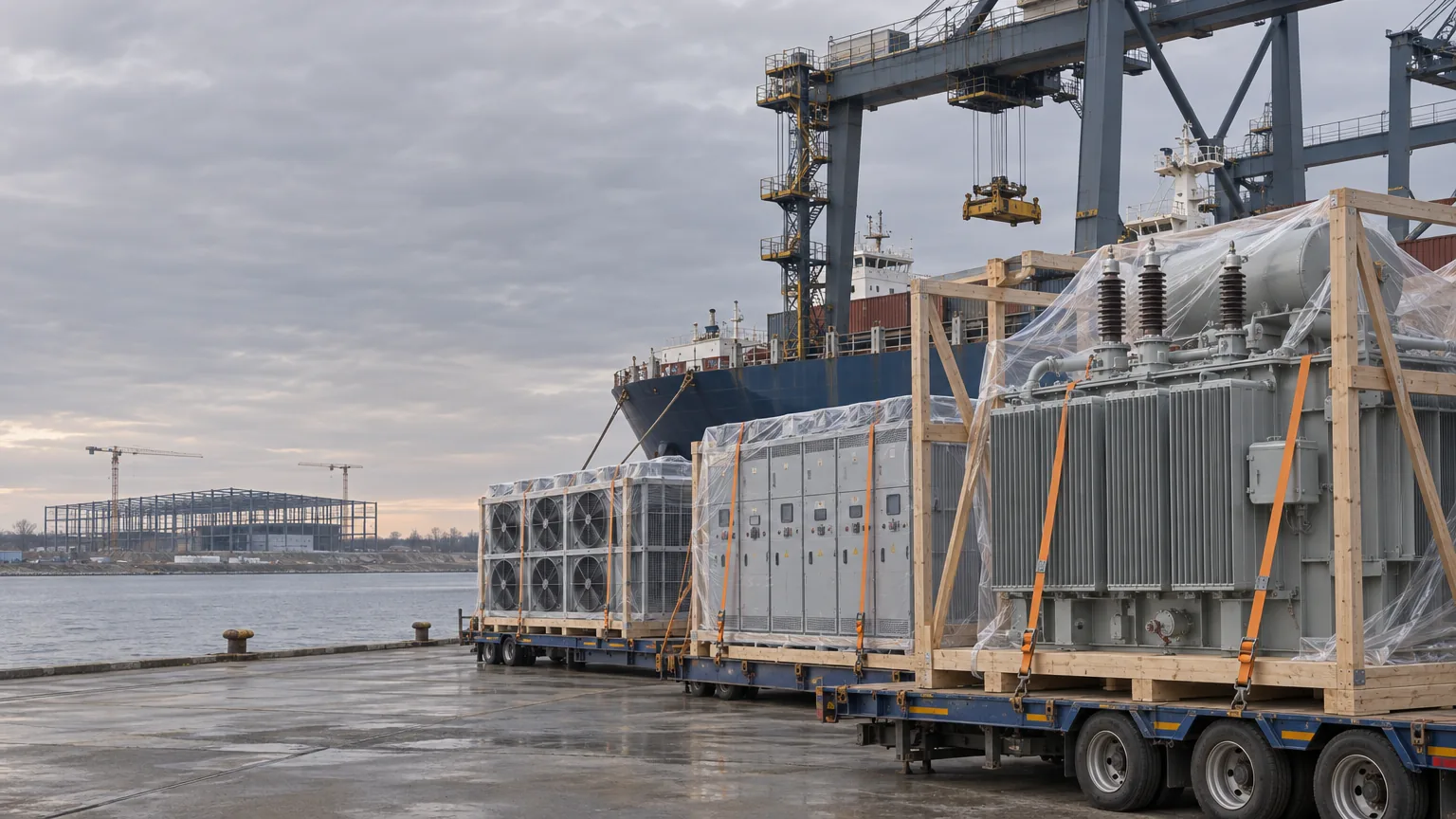
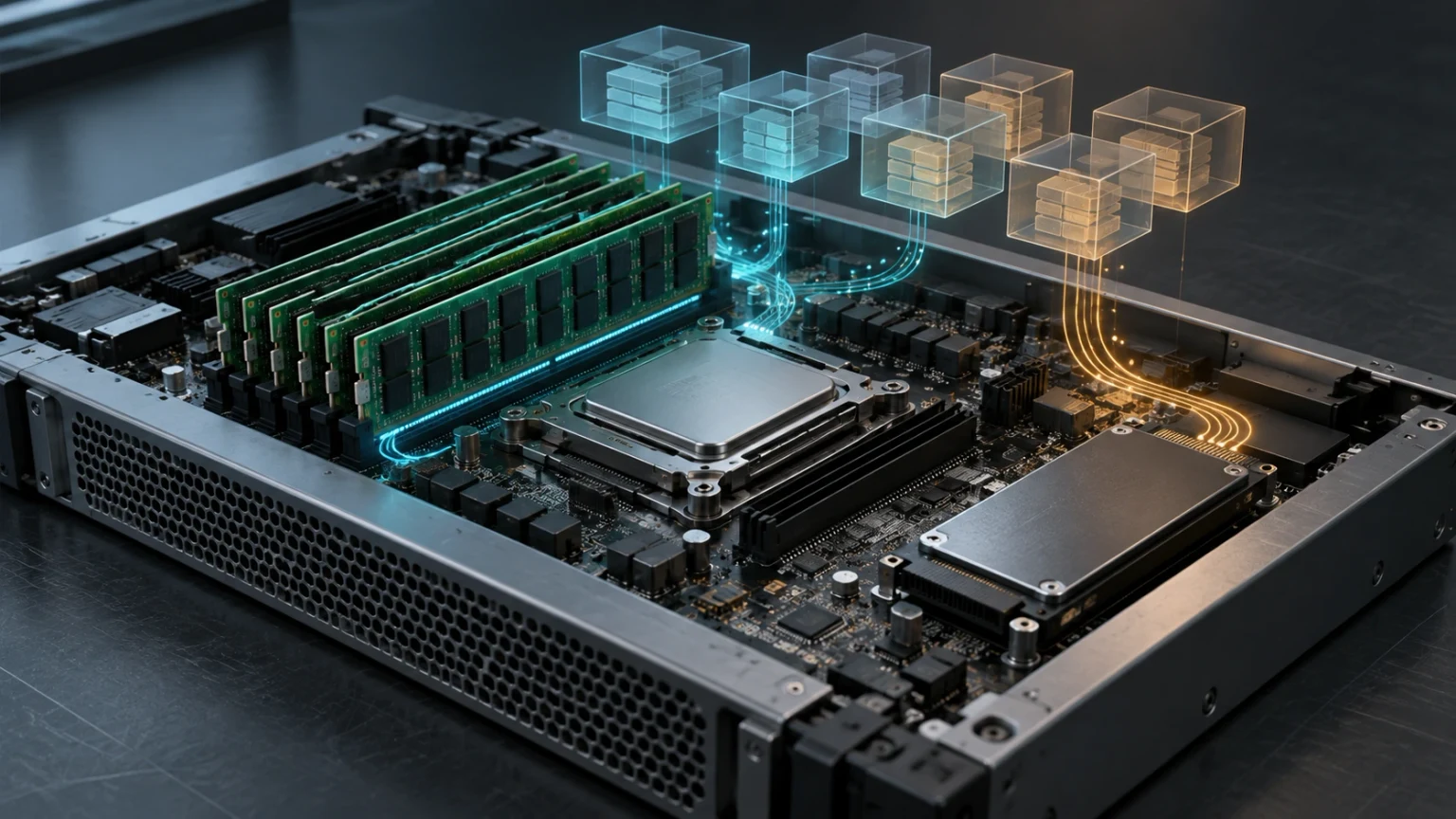
Hammerspace launches its own all-flash hardware and a complete storage system for AI
Summary
Hammerspace, previously associated with data orchestration software, is now offering a full storage system aimed at AI and high-performance computing (HPC) workloads. The package pairs the company's software with its own dense, accelerated all-flash storage servers. Customers can buy it as one integrated system rather than assembling the pieces separately.
The offering, called the Hammerspace Data System, brings together data orchestration, data intelligence, customers' existing storage and the new high-performance flash tier under a single unified layer. Its tiered storage design does not adopt Nvidia's tier 3.5 KV caching scheme, a notable departure as vendors line up around GPU-adjacent caching approaches. Blocks & Files reported that the system purchase option is meant to simplify procurement and deployment and to smooth the overall customer experience.
Founder and CEO David Flynn framed the launch around efficiency. He argued that AI demand for performance continues to grow and that the next phase will be judged on delivering that performance while "maximizing throughput while minimizing power, footprint and cost." The source excerpt does not give pricing, capacity figures, performance benchmarks, availability dates or named customers.
Why it matters
Storage is becoming a bigger factor in how AI clusters are specified and powered. A software vendor moving into its own flash hardware gives buyers a single-supplier option for the data layer feeding GPUs, which can shorten procurement and integration work for operators standing up new capacity. Flynn's emphasis on power, footprint and cost speaks directly to data center operators whose rack space and power budgets are increasingly reserved for compute. Choosing not to follow Nvidia's tier 3.5 KV caching scheme also gives customers a meaningful architectural choice when planning inference storage tiers.
Expert Lens
A turnkey storage system may appeal most to enterprise and neocloud buyers that lack large in-house integration teams, while hyperscale tenants with established storage stacks are likely to weigh it mainly as an orchestration layer over existing assets. Bypassing Nvidia's tier 3.5 KV caching approach could become a selling point for buyers wary of lock-in, but it may also add qualification friction if reference designs coalesce around that scheme. Dense all-flash servers tend to raise per-rack power and cooling density, so efficiency claims will need to hold up in facilities already tight on power per hall. The next signal to watch is whether Hammerspace publishes throughput-per-watt figures and lands a named large-scale AI deployment on the integrated system.
Sources
This brief was drafted with AI assistance from public sources; every number is attributed to the sources above. See the AI-assisted Disclosure and Methodology.