AI Data Centers Are Driving Nuclear's Next Commercial Test
The real test is whether power access can keep pace with AI infrastructure demand.
- Data Center Frontier reported a development that could affect hyperscalers & cloud planning.
- The practical issue is whether demand can be converted into reliable capacity on schedule.
- Watch execution details, customer commitments, and any bottlenecks around power, cooling, silicon, or permitting.
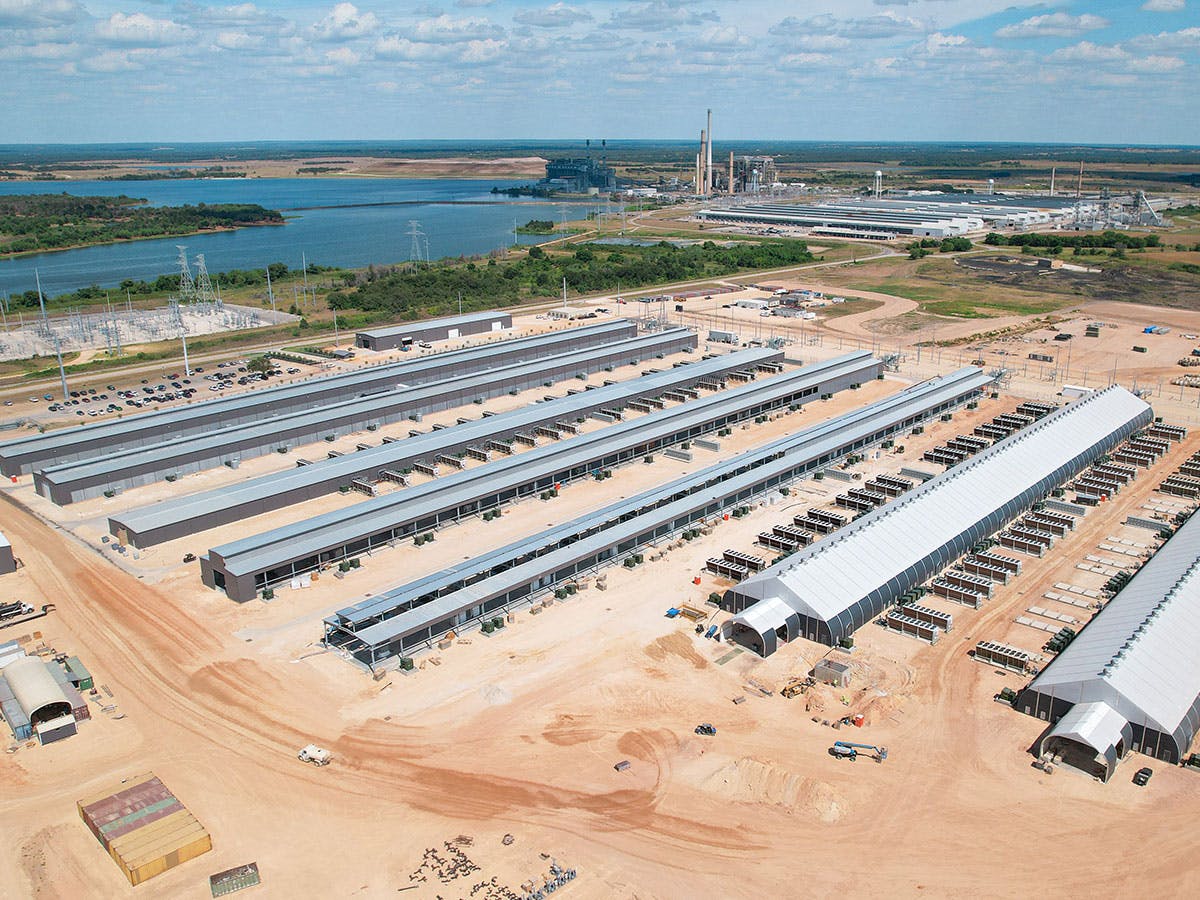
Data Center Frontier reported: Charting the Future of Data Center, Cloud, and AI Infrastructure Riot Platforms operates large-scale Bitcoin mining facilities in Texas and Kentucky and is increasingly positioning itself as a power-first digital infrastructure developer for AI and high-performance computing workloads, including potential nuclear-powered campuses with Terrestrial Energy. Nuclear power is rapidly moving from speculative talking point to active AI infrastructure strategy. Over the past several weeks, and especially in the last ten days, the industry has seen a wave of announcements pointing in the same direction: data center developers, reactor startups, utilities, server manufacturers, industrial suppliers, and large power producers are all attempting to define what nuclear-backed digital infrastructure might actually look like. The May 6 memorandum of understanding between NANO Nuclear Energy and Supermicro remains one of the clearest signals. The agreement links a microreactor developer with a major AI server and infrastructure supplier, framing nuclear power as part of an integrated compute, cooling, and power stack. But the deal now looks less like an isolated experiment and more like part of a rapidly expanding category. That same day, Terrestrial Energy and Riot Platforms announced a collaboration to evaluate nuclear-powered large-scale data center projects using Terrestrial’s Integ.
The important part is what the report says about cloud infrastructure as a working system, not just as a demand story. The constraint is not only the price of electricity. It is the timing of grid access, the flexibility of large loads, and the ability of data center operators to behave less like passive consumers and more like active participants in the power system.
That is the reason the development deserves attention beyond the immediate headline. Power access and interconnection timing are likely to matter more than the announced demand signal itself.
For infrastructure teams, that makes power procurement and site selection part of the product roadmap. A campus can have customers, capital, and equipment lined up and still lose time if the grid connection, market rules, or operating model cannot absorb the load profile.
The financial question is whether this improves pricing power, secures scarce capacity, or exposes execution risk that is still being discounted, the operating question is procurement timing, facility readiness, power access, and whether adjacent constraints slow deployment, and the customer question is whether this changes build sequencing, partner dependence, or the cost of scaling clusters across regions.
There is also a timing issue. In AI infrastructure, announcements often arrive before the hard parts are visible: interconnection queues, equipment lead times, operating approvals, financing conditions, and the practical work of matching customer demand to physical capacity.
For readers tracking this market, the useful lens is less about whether demand exists and more about where it can be served without delay. A small operational change can matter if it gives operators more flexibility, improves utilization, or exposes a bottleneck that had been hidden inside a broader growth story.
The next signal to watch is customer commitments, infrastructure readiness, and any signs that power, cooling, silicon supply, or permitting becomes the real bottleneck. The next test is whether this remains a narrow market experiment or becomes a normal tool for balancing AI demand with grid reliability.