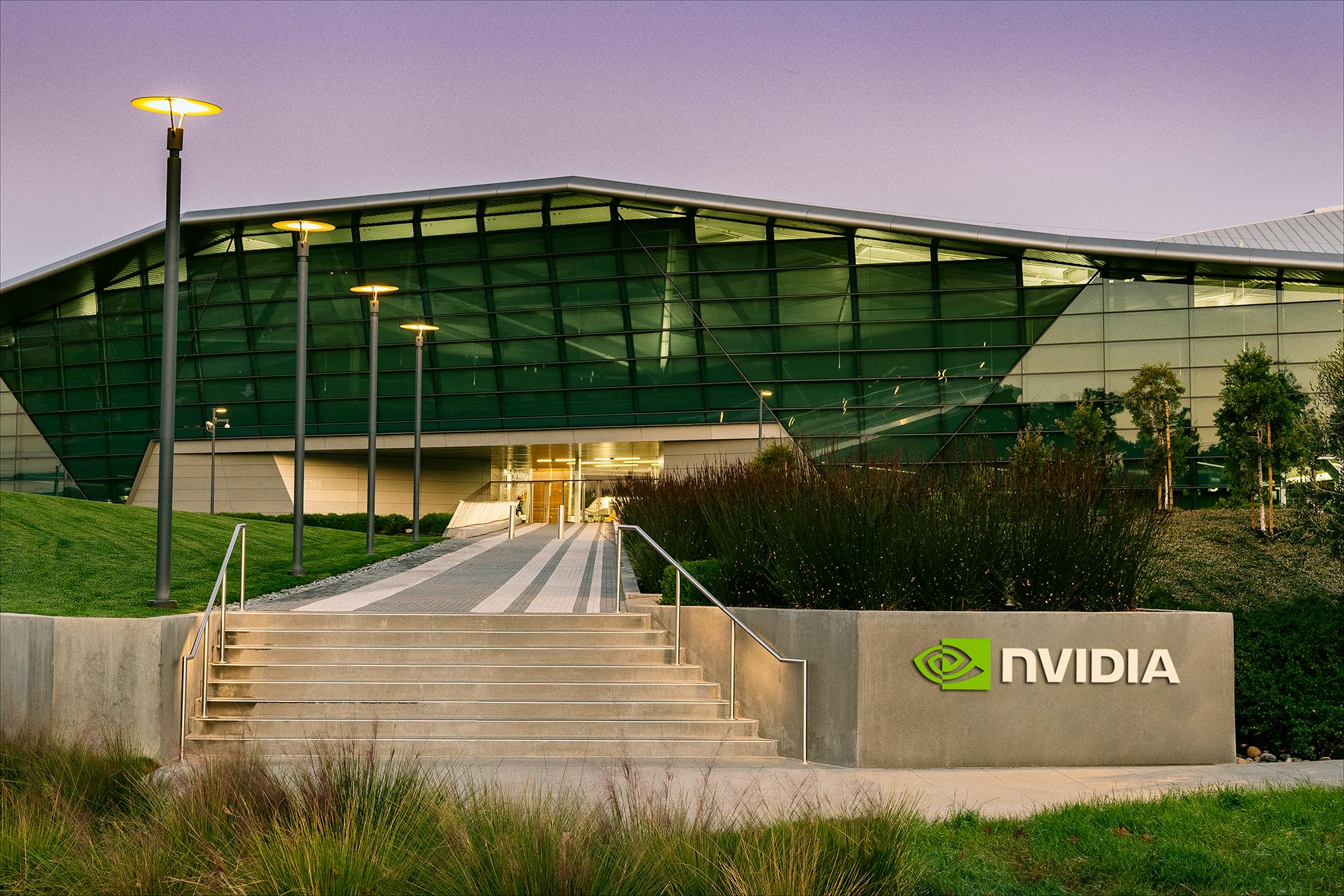
Land and Expand: NVIDIA, IREN, Coatue, Microsoft, Switch, Cerebras, Core Scientific
The issue is no longer demand alone; it is whether the surrounding infrastructure is ready.
- Data Center Frontier reported a development that could affect hyperscalers & cloud planning.
- The practical issue is whether demand can be converted into reliable capacity on schedule.
- Watch execution details, customer commitments, and any bottlenecks around power, cooling, silicon, or permitting.
Data Center Frontier reported: Charting the Future of Data Center, Cloud, and AI Infrastructure The latest wave of AI infrastructure expansion is no longer defined solely by hyperscale land grabs and new data center campuses. Increasingly, the industry’s “land and expand” strategy now encompasses the broader industrial ecosystem required to deploy AI at scale. That ecosystem now spans power, optical manufacturing, accelerated compute architecture, supply chains, and vertically integrated infrastructure partnerships. This latest edition of Land and Expand examines how the AI infrastructure buildout is evolving beyond traditional data center development into a far more integrated industrial systems effort, where the race to scale AI increasingly depends on coordinating land, energy, networking, manufacturing capacity, and deployment architecture simultaneously. That shift came into sharper focus this month as NVIDIA unveiled two major partnerships aimed at accelerating the physical buildout of AI infrastructure at industrial scale: one centered on gigawatt-scale AI factory deployment with IREN, and another focused on dramatically expanding U.S.-based optical connectivity manufacturing with Corning Incorporated. Taken together, the announcements illustrate how the AI buildout is rapidly expanding beyond a conventional data center construction cycle into something closer to a coordinated ind.
The story lands in a market where demand is already assumed. The more useful question is whether the supporting layer around cloud infrastructure is flexible enough to turn that demand into available capacity. The constraint is not only the price of electricity. It is the timing of grid access, the flexibility of large loads, and the ability of data center operators to behave less like passive consumers and more like active participants in the power system.
The pressure point is timing. Power access and interconnection timing are likely to matter more than the announced demand signal itself.
For infrastructure teams, that makes power procurement and site selection part of the product roadmap. A campus can have customers, capital, and equipment lined up and still lose time if the grid connection, market rules, or operating model cannot absorb the load profile.
The financial question is whether this improves pricing power, secures scarce capacity, or exposes execution risk that is still being discounted, the operating question is procurement timing, facility readiness, power access, and whether adjacent constraints slow deployment, and the customer question is whether this changes build sequencing, partner dependence, or the cost of scaling clusters across regions.
This is where AI infrastructure differs from ordinary software growth. Capacity has to be financed, permitted, powered, cooled, connected, staffed, and then sold into real workloads before the economics are visible.
The practical read is that infrastructure advantage is becoming more local and more operational. Two companies can chase the same AI demand and end up with very different outcomes if one has better access to power, more credible delivery dates, or a cleaner path through procurement and permitting.
The next signal to watch is customer commitments, infrastructure readiness, and any signs that power, cooling, silicon supply, or permitting becomes the real bottleneck. The next test is whether this remains a narrow market experiment or becomes a normal tool for balancing AI demand with grid reliability.